
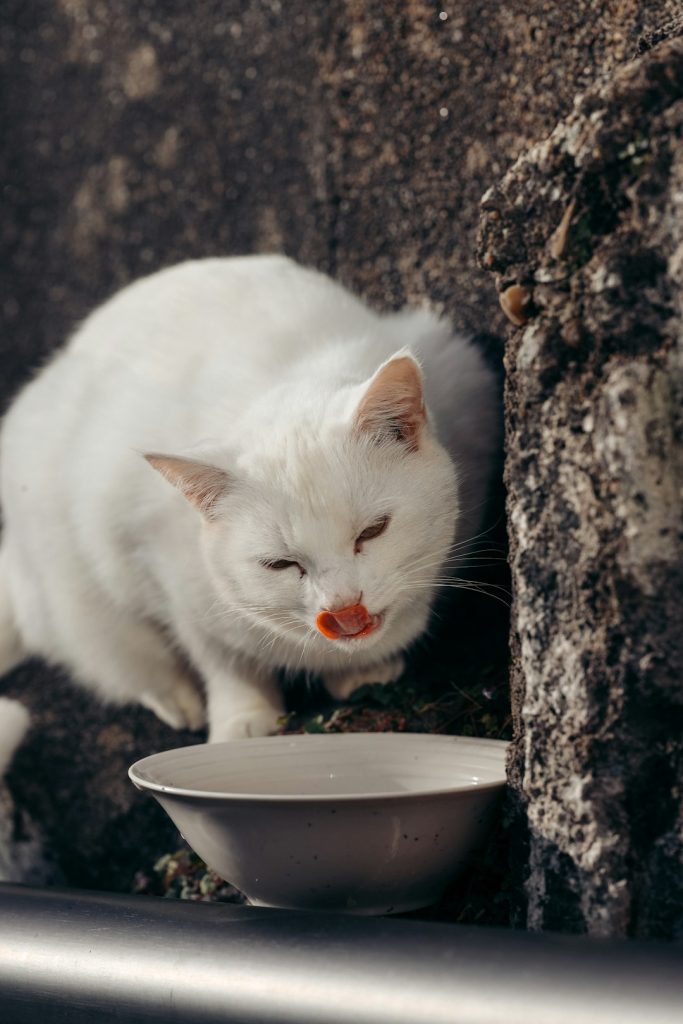
If you have an older cat at home, you might be wondering if it’s okay to feed them kitten food. After all, kitten food is packed with extra nutrients and calories, but is it really the best choice for your adult or senior cat?
You want to make sure your furry friend stays healthy and happy, and the right diet plays a big role in that. Keep reading to discover the truth about feeding older cats kitten food and what you should know to keep your pet thriving.
Nutritional Needs Of Older Cats
Older cats have different nutritional needs than younger cats or kittens. Their bodies change as they age. These changes affect what they need from their food. Choosing the right diet helps keep them healthy and active. Understanding these needs is essential for good care.
Key Nutrients For Senior Cats
Senior cats need a balanced diet with specific nutrients. Protein is important to maintain muscle strength. Fat provides energy but should be controlled to avoid weight gain. Fiber helps with digestion and prevents constipation. Vitamins and minerals support overall health and immune function.
- Protein:High quality and easily digestible
- Fat:Moderate amounts for energy without obesity
- Fiber:Aids digestion and bowel health
- Vitamins:Vitamins E and B complex are essential
- Minerals:Calcium and phosphorus maintain bone health
How Metabolism Changes With Age
As cats get older, their metabolism slows down. They burn fewer calories and need less food. This can lead to weight gain if portions are not adjusted. Older cats may also absorb nutrients less efficiently. Their energy levels drop, so they need fewer calories but more nutrient-rich food.
Adjusting feeding habits to match these changes supports their health. Avoid overfeeding and choose food that meets their nutritional needs. This balance helps older cats live longer, happier lives.
What Kitten Food Contains
Understanding what kitten food contains can help you decide if it’s suitable for your older cat. Kitten food is specially designed to meet the needs of growing cats, which means its ingredients differ significantly from adult cat food. Let’s break down the key components that make kitten food unique and why they matter.
Higher Protein And Fat Levels
Kitten food typically has higher protein and fat levels compared to adult cat food. Growing kittens need more energy to support their rapid development, so their food is packed with extra calories.
Your older cat might not need that much energy, but the rich protein content can be beneficial if they are underweight or recovering from illness. However, feeding high-fat food regularly could lead to unwanted weight gain in less active older cats. Have you noticed how your cat’s activity level has changed over time? That can guide your choice.
Vitamins And Minerals For Growth
Kitten food contains added vitamins and minerals like calcium, phosphorus, and vitamin D, which support bone growth and overall development. These nutrients are essential for kittens but might be excessive for older cats.
For example, too much calcium can cause health problems in adult cats, especially those with kidney issues. So, while the extra vitamins and minerals help kittens thrive, they might not be suitable for your senior feline’s diet. Have you checked your cat’s health needs with a vet before changing their food?
Suitability Of Kitten Food For Older Cats
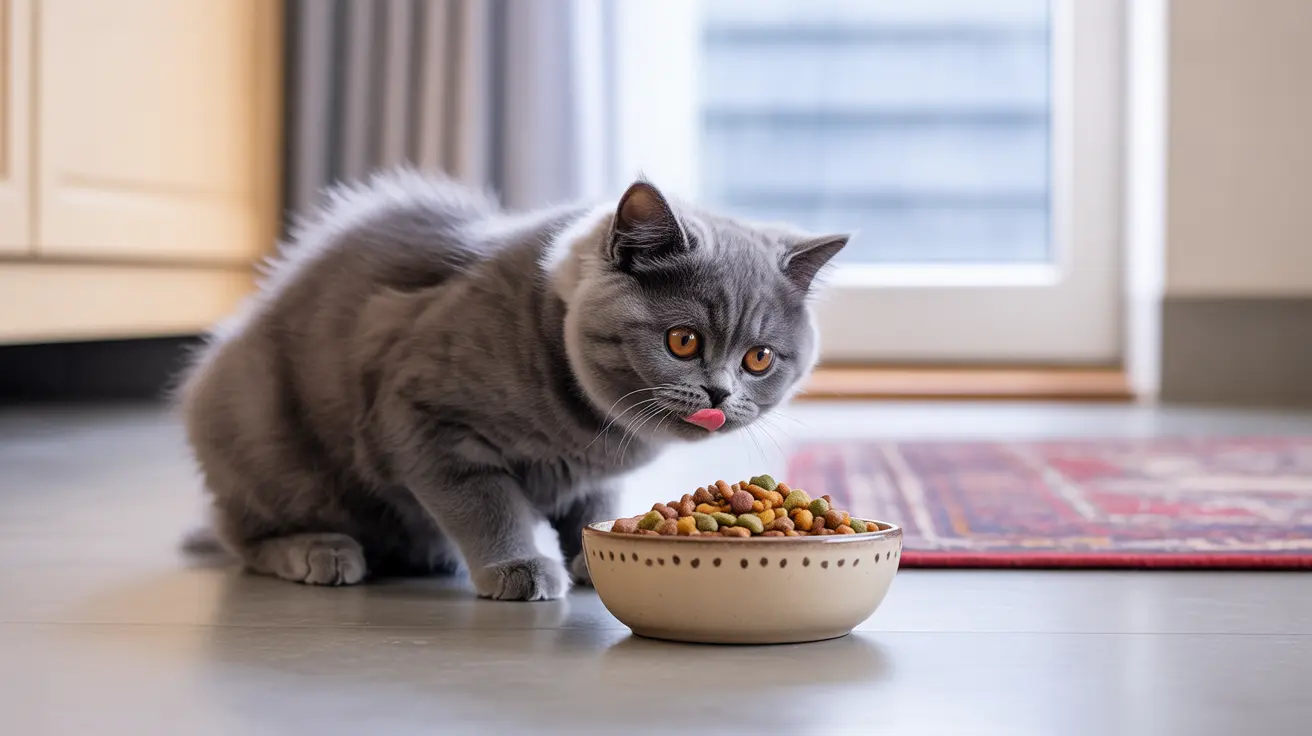
Older cats have different nutritional needs than kittens. Kitten food is made to support fast growth and high energy. Suitability of kitten food for older cats depends on these differences. Some older cats may benefit, but there are risks to consider. Understanding both helps pet owners make smart feeding choices.
Potential Benefits
- Higher protein content supports muscle maintenance in older cats.
- More calories can help underweight or sick older cats gain strength.
- Rich in essential vitamins and minerals to boost overall health.
- Soft texture in some kitten foods eases chewing for older cats.
Possible Risks And Concerns
- Excess calories may cause weight gain in less active cats.
- Too much protein and fat can strain kidneys and liver.
- Imbalanced nutrients may not meet the needs of senior cats.
- Long-term feeding may lead to health problems or nutrient deficiencies.
Credit: www.petscare.com
Alternatives To Kitten Food For Seniors
Finding the right food for your senior cat can feel like a puzzle, especially when you wonder if kitten food might still be suitable. While kitten food is packed with nutrients for growing cats, it may not meet the unique needs of older cats. Luckily, there are better alternatives designed to support your senior cat’s health and well-being.
Specialized Senior Cat Diets
Senior cat diets are formulated to address the changes that come with aging. These foods usually have fewer calories to prevent weight gain and added nutrients like antioxidants and omega fatty acids to support joint health and brain function.
You might notice your cat’s energy levels drop or their coat losing shine. Specialized diets can help counter these issues by focusing on easily digestible ingredients and balanced nutrition. Brands like Hill’s Science Diet or Royal Canin offer senior-specific formulas that many cat owners swear by.
Homemade And Natural Options
If you prefer a hands-on approach, homemade meals can be tailored to your cat’s taste and health needs. Simple recipes using cooked chicken, pumpkin, and rice can provide gentle nutrition, but it’s crucial to avoid harmful ingredients like onions or garlic.
Adding supplements such as fish oil can boost omega-3 fatty acids, which help with inflammation and coat quality. Have you ever tried mixing wet food with a bit of bone broth? Many cats find it irresistible, and it adds hydration and nutrients.
Whatever you choose, consult your vet to ensure your senior cat’s diet supports their specific health needs. What small changes can you make today to improve your cat’s meals and overall happiness?
When To Consult A Veterinarian
Knowing when to consult a veterinarian about your cat’s diet is important. Older cats have different nutritional needs than kittens. Feeding kitten food to an older cat might not always be safe. Watching your cat’s health closely helps you decide when to seek expert advice.
Signs Your Cat Needs A Diet Change
Pay attention to changes in your cat’s behavior or health. Watch for:
- Weight loss or gain
- Changes in energy levels
- Digestive problems like vomiting or diarrhea
- Dull or thinning fur
- Changes in appetite or thirst
These signs may mean your cat needs a different diet. Don’t ignore persistent symptoms.
Importance Of Professional Guidance
Veterinarians have the knowledge to recommend the right food. They consider your cat’s age, health, and lifestyle. A vet can suggest safe diet changes or special foods for older cats. This helps prevent health problems and keeps your cat strong. Always ask a vet before switching your cat’s food.

Credit: www.reddit.com
Tips For Transitioning Cat Food
Changing a cat’s food needs care and patience. Sudden switches can upset their stomach. Proper transitioning helps your cat adjust smoothly. It supports good digestion and keeps them happy.
Gradual Switching Strategies
Start by mixing a small amount of new food with the old. Increase the new food over 7 to 10 days. Watch how your cat reacts to the change. Offer fresh water to help digestion. Avoid changing food too fast. Keep the feeding area calm and quiet. Use the same feeding schedule to keep routine.
Monitoring Health And Behavior
Check your cat’s appetite daily. Look for signs like vomiting or diarrhea. Note any changes in energy or mood. Monitor their litter box habits closely. Keep track of weight changes weekly. Consult a vet if your cat shows discomfort. Early detection prevents bigger health problems. Stay patient and observe closely during this time.

Credit: www.reddit.com
Frequently Asked Questions
Can Older Cats Safely Eat Kitten Food?
Older cats can eat kitten food occasionally, but it lacks balanced nutrients for adults. Kitten food is higher in calories and protein, which may cause weight gain or digestive issues in older cats. Consult your vet before making any diet changes.
What Are The Risks Of Feeding Older Cats Kitten Food?
Feeding older cats kitten food regularly can lead to obesity and kidney problems. The nutrient profile is designed for growing kittens, not mature cats. It may also cause digestive upset and nutrient imbalances over time.
When Is Kitten Food Appropriate For Older Cats?
Kitten food is suitable for older cats only during recovery from illness or weight loss. It provides extra calories and protein needed for healing. Always check with a veterinarian before switching diets for health reasons.
How Does Kitten Food Differ From Adult Cat Food?
Kitten food contains higher protein, fat, and calories to support growth. Adult cat food has balanced nutrients for maintenance and overall health. Feeding kitten food to adults can lead to excessive calorie intake and health issues.
Conclusion
Older cats do not need kitten food for daily meals. Kitten food has extra calories and nutrients meant for growth. Feeding it regularly might cause weight gain or upset stomach. Choose a diet made for adult or senior cats instead.
Always check with a vet before changing your cat’s food. Healthy eating helps your cat stay active and happy. Keep your pet’s needs in mind for the best care. Good nutrition supports a long, comfortable life.

Lily Purrington is the founder of MyKittyPicks.com, a cozy corner of the web dedicated to helping cat lovers discover the best cat products, furniture, toys, and home decor ideas.
A lifelong cat enthusiast, Lily shares trusted tips, honest product recommendations, and stylish inspiration designed to keep kitties happy and homes beautiful.
Her mission is simple: to bring together practical advice and purr-fect picks that make life better for cats and the people who love them.


