

Thinking about adding a furry friend to your home? You’re probably wondering, “How much is it to adopt a cat?” Knowing the costs upfront can help you prepare and make the best choice for you and your future pet.
From adoption fees to initial supplies, understanding the expenses involved will save you surprises and stress. Keep reading to discover everything you need to know before bringing a cat into your life—so you can focus on the joy and companionship ahead.
Adoption Fees Explained
Understanding adoption fees is key before bringing a cat home. These fees vary but usually cover essential health and care services. Knowing what you’re paying for helps you prepare both financially and emotionally for your new furry friend.
Standard Costs
Adoption fees typically range from $50 to $150, depending on the shelter or rescue group. Some places offer lower fees for senior cats or during special adoption events. Keep in mind, a higher fee often means more comprehensive care has been provided.
What Fees Cover
Adoption fees usually include:
- Spaying or neutering:This surgery prevents unwanted litters and supports your cat’s health.
- Vaccinations:Essential shots like rabies and feline distemper keep your cat protected.
- Microchipping:A permanent ID that increases the chances of reuniting if your cat gets lost.
- Basic health checks:Vet exams ensure the cat is healthy before adoption.
When I adopted my cat, the fee covered all these services, saving me hundreds in vet bills during the first few months.
Variations By Shelter
Shelters have different policies and costs. Nonprofit shelters often charge less to encourage more adoptions. Private rescues might set higher fees to cover special medical needs or ongoing care.
Some shelters offer discounts for adopting multiple cats or for veterans and seniors. It’s worth asking about these options to reduce your initial expenses. How much are you willing to invest upfront to ensure your cat’s well-being?
Initial Supplies And Setup
Adopting a cat requires basic supplies like food, a litter box, and a bed. Setting up a safe space helps your new pet feel comfortable quickly. Initial costs vary but planning ahead saves stress.
Adopting a cat is a joyous journey, but it comes with the responsibility of ensuring a comfortable and safe environment for your new feline friend. The initial setup and supplies are crucial to making your cat feel at home. Let’s explore what you need to prepare for your cat’s arrival.Essentials For New Cats
When welcoming a cat into your home, certain essentials are non-negotiable. Food and water bowls are a starting point. Opt for stainless steel or ceramic to avoid bacteria buildup. A litter box is a must-have. Choose one that suits your cat’s size and place it in a quiet, accessible spot. Don’t forget a scratching post. This will save your furniture and keep your cat’s claws healthy. Toys are equally important. They provide mental stimulation and exercise, keeping your cat happy and engaged.Setting Up A Cat-friendly Space
Creating a cat-friendly space is key to helping your new companion feel secure. Designate a quiet room for your cat’s essentials. This will be their sanctuary where they can relax and adjust. Consider adding a cozy bed or blanket. Cats love having a soft spot to nap and observe their surroundings. Place a few toys around the room. This will encourage your cat to explore and play, building their confidence in the new space. Finally, ensure your home is safe. Hide electrical cords, secure windows, and remove any small items that could be ingested. Are you ready to welcome your new furry friend with open arms and a well-prepared home?Medical Expenses
Adopting a cat comes with more than just the adoption fee; medical expenses play a crucial role in ensuring your new feline friend stays healthy and happy. These costs can vary widely depending on the cat’s age, health status, and your location. Understanding what to expect helps you prepare financially and avoid surprises down the road.
Vaccinations And Checkups
Vaccinations are essential to protect your cat from common diseases. Initial vaccines usually include those for feline distemper, calicivirus, and rabies, costing anywhere from $50 to $100. Regular checkups are equally important to catch health issues early, often priced between $50 and $70 per visit.
During my first vet visit after adopting my cat, I was surprised by the number of vaccines and tests recommended. It made me realize how vital these upfront costs are to prevent costly illnesses later. Have you budgeted for these routine but necessary expenses?
Spaying And Neutering Costs
Spaying or neutering your cat is a one-time procedure with lifelong benefits, including health improvements and behavioral benefits. The cost typically ranges from $75 to $200 depending on where you live and the vet clinic you choose.
Many shelters include this procedure in the adoption fee, but if not, it’s important to plan for this expense soon after adoption. Skipping this step can lead to higher costs linked to unplanned litters and health complications. Wouldn’t you want to avoid these potential issues?
Emergency Care Possibilities
Unexpected health emergencies can happen anytime, from accidents to sudden illnesses. Emergency vet visits can cost hundreds or even thousands of dollars, depending on the severity of the situation.
Setting aside a small emergency fund or considering pet insurance can save you stress and money when the unexpected occurs. Have you thought about how you would handle a sudden vet bill that’s way above your normal budget?
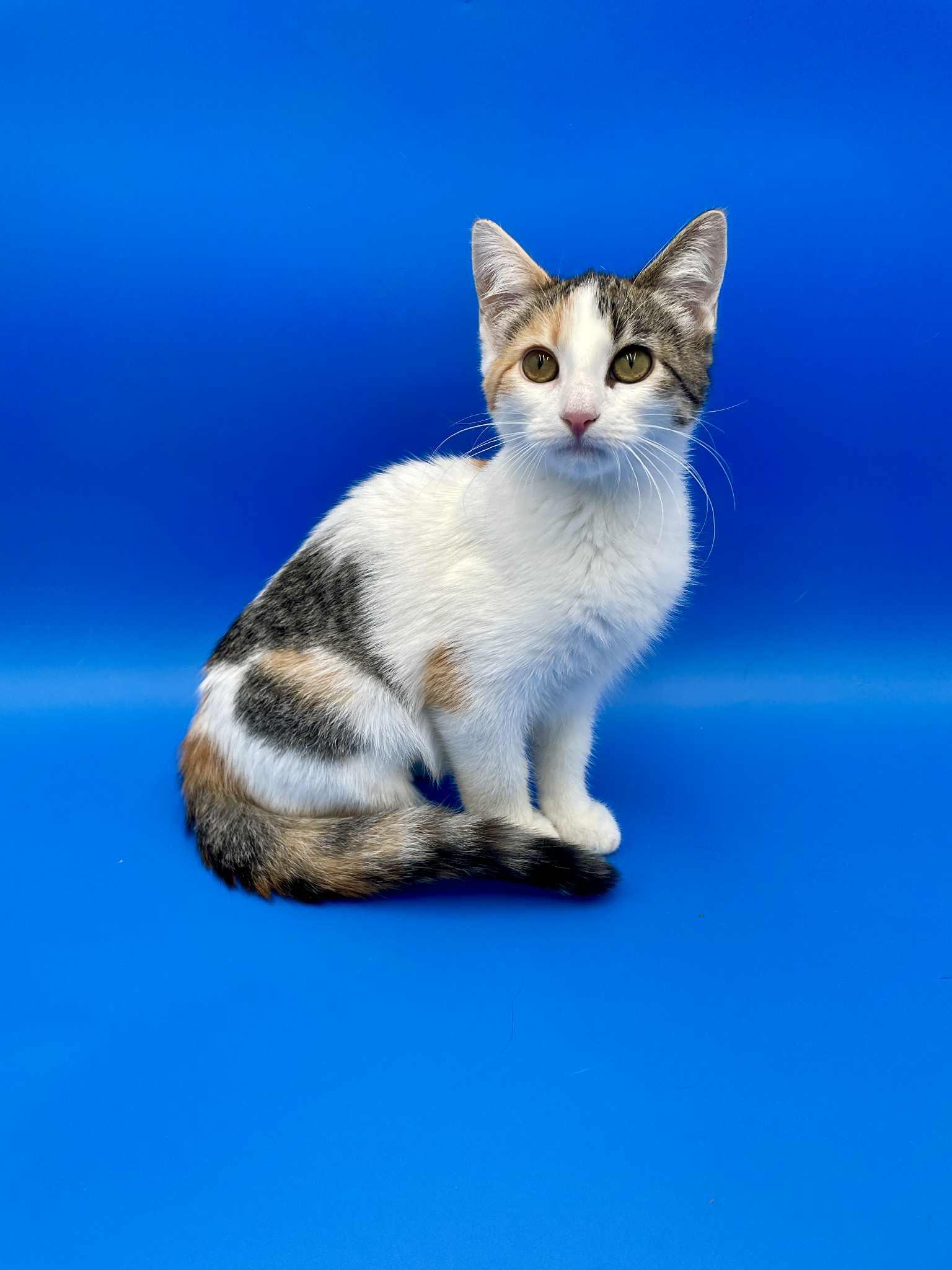
Credit: www.cedarbendhumane.org
Ongoing Care Costs
Adopting a cat is just the start. The ongoing care costs keep your cat happy and healthy. These expenses happen every month or year. Knowing them helps you plan your budget well.
Food And Treats
Good food keeps your cat strong and full of energy. Cats need a balanced diet with protein, vitamins, and minerals. Dry or wet food are common options. Treats make your cat happy and help with training. Quality food and treats cost between $20 and $50 monthly.
Litter And Cleaning Supplies
Clean litter boxes are a must for your cat’s health. Cat litter comes in many types: clay, clumping, or natural. You also need scoops and bags for easy cleaning. Litter and supplies usually cost $10 to $30 each month.
Regular Vet Visits
Vet visits keep your cat healthy and catch problems early. Cats need vaccines, check-ups, and sometimes dental care. Annual vet costs range from $100 to $300. Extra visits may be needed if your cat gets sick.
Additional Expenses To Consider
Adopting a cat means more than just the initial fee. You should prepare for ongoing costs that can add up quickly. These expenses ensure your new furry friend stays healthy, happy, and entertained.
Pet Insurance
Pet insurance can save you a lot of money when unexpected health issues arise. Policies vary, but many cover accidents, illnesses, and sometimes routine care. Think about your budget: would paying a monthly premium be easier than a large vet bill?
Choosing the right plan means checking what’s included and excluded. Some insurance companies won’t cover pre-existing conditions, so getting insurance early is smart. Have you checked the average vet costs in your area? This helps you decide if insurance is worth it.
Grooming And Toys
Grooming is more than just making your cat look good. Regular brushing prevents hairballs and mats, especially for long-haired breeds. You might spend on brushes, nail clippers, or professional grooming sessions if your cat needs extra care.
Toys keep your cat active and mentally sharp. Simple toys like feather wands or laser pointers cost little but bring hours of fun. Don’t overlook scratching posts and climbing trees—they protect your furniture and satisfy your cat’s natural instincts.
Unexpected Costs
Unexpected expenses can catch you off guard. Emergency vet visits, sudden illnesses, or accidents can be costly. It’s wise to set aside a small emergency fund specifically for your cat’s health.
Sometimes, your cat might need special food or medication that adds to monthly expenses. Have you thought about how you’d handle a surprise vet bill? Planning ahead can reduce stress for both you and your pet.

Credit: bmorehumane.org
Ways To Save On Cat Adoption
Adopting a cat is a rewarding experience, but the costs can add up quickly. Fortunately, there are smart ways to reduce your expenses without compromising your new pet’s well-being. By tapping into discounts, second-hand items, and community help, you can welcome your furry friend home while keeping your budget intact.
Adoption Discounts
Many shelters offer adoption discounts during special events or holidays. Signing up for newsletters from local rescues can alert you to these limited-time deals. Some organizations also provide reduced fees for senior citizens, veterans, or multiple pet adoptions.
Checking if your shelter has partnerships with local businesses can lead to extra perks like free vet visits or pet supplies. Have you considered asking about payment plans or sponsorship programs? These options can make adoption fees more manageable.
Second-hand Supplies
Before buying brand-new cat supplies, explore second-hand stores and online marketplaces. Items like litter boxes, scratching posts, and carriers are often gently used and sold at a fraction of the cost. This approach saves money and reduces waste, benefiting both your wallet and the environment.
Friends and family may have spare cat items they no longer need. Don’t hesitate to ask around—you might be surprised how generous people can be when you share your adoption plans. Just ensure all items are clean and safe for your new cat.
Community Resources
Your community may offer resources to help with pet adoption costs. Some animal welfare organizations provide free or low-cost vaccinations, spaying/neutering, and microchipping services. These are essential expenses that can add up, so utilizing these programs can significantly lower your overall costs.
Local pet food banks or charities sometimes assist new pet owners with food and supplies during the transition period. Have you looked into community forums or social media groups focused on pet adoption? They can be a great source of advice, support, and even free supplies.

Credit: bmorehumane.org
Frequently Asked Questions
How Much Does Cat Adoption Usually Cost?
Cat adoption fees typically range from $50 to $150. Costs depend on shelter, location, and included services like vaccinations and spaying/neutering.
What Expenses Are Included In Cat Adoption Fees?
Adoption fees usually cover vaccinations, microchipping, spaying/neutering, and basic veterinary care. Some shelters include initial supplies or a starter kit.
Are There Cheaper Options For Adopting Cats?
Yes, some rescues or shelters offer discounted or waived fees during special events or for senior and special-needs cats.
Why Do Cat Adoption Fees Vary So Much?
Fees vary due to shelter policies, vet care provided, and location costs. Urban areas often have higher adoption fees than rural ones.
Conclusion
Adopting a cat involves some costs, but the joy is priceless. Fees usually cover vaccinations, spaying, and basic care. These costs help keep cats healthy and ready for a new home. Remember, ongoing expenses like food and vet visits add up too.
Think about these before adopting. Giving a cat a home means love and responsibility. It’s a rewarding choice that changes lives—for both you and the cat. Take time, plan well, and enjoy the journey of adoption.

Lily Purrington is the founder of MyKittyPicks.com, a cozy corner of the web dedicated to helping cat lovers discover the best cat products, furniture, toys, and home decor ideas.
A lifelong cat enthusiast, Lily shares trusted tips, honest product recommendations, and stylish inspiration designed to keep kitties happy and homes beautiful.
Her mission is simple: to bring together practical advice and purr-fect picks that make life better for cats and the people who love them.


