
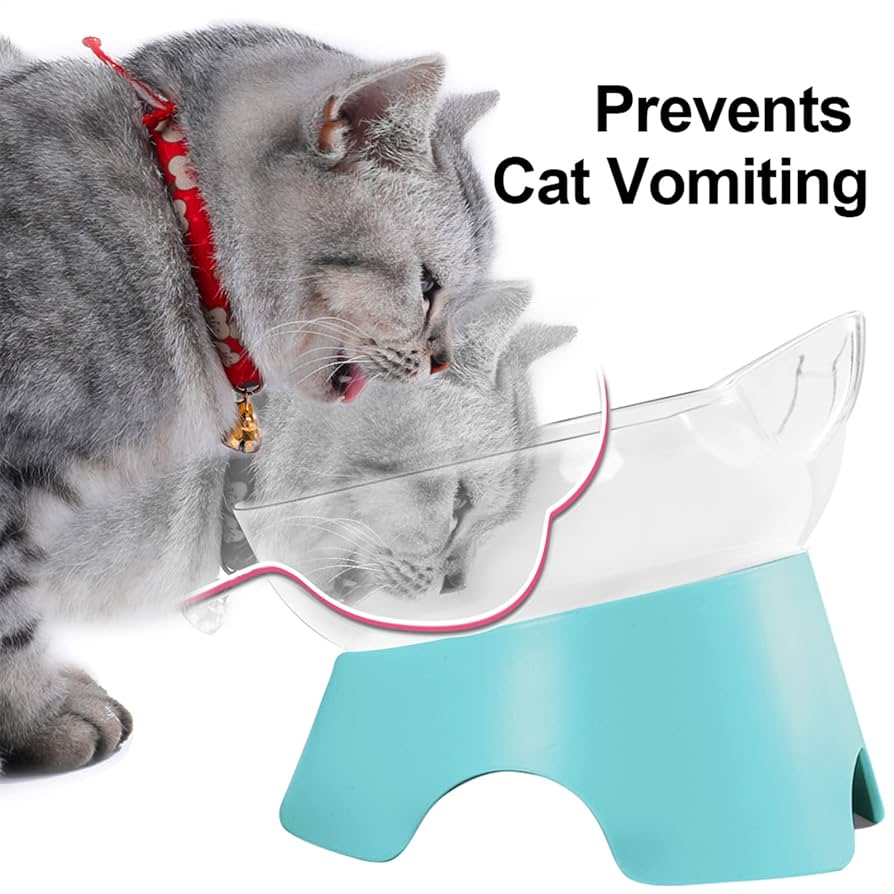
If your cat has ever thrown up unexpectedly, you know how worrying and frustrating it can be. You want your furry friend to feel good and stay healthy, but sudden vomiting can make you anxious.
What if you could stop this from happening in the first place? Understanding how to prevent cat vomiting is easier than you think, and it can save you time, stress, and trips to the vet. Keep reading to discover simple, effective ways you can protect your cat and keep their tummy happy every day.
Common Causes Of Cat Vomiting
Cat vomiting can be troubling for pet owners. It often signals an underlying issue. Knowing common causes helps prevent it.
This guide covers four main reasons cats vomit. These include diet, grooming, health, and environment.
Dietary Issues
Feeding problems often cause vomiting. Cats may eat too fast or get upset stomachs from new food. Food allergies also trigger vomiting.
- Eating spoiled or toxic food
- Sudden diet changes
- Overeating or eating too fast
- Food allergies or intolerance
Hairballs And Grooming
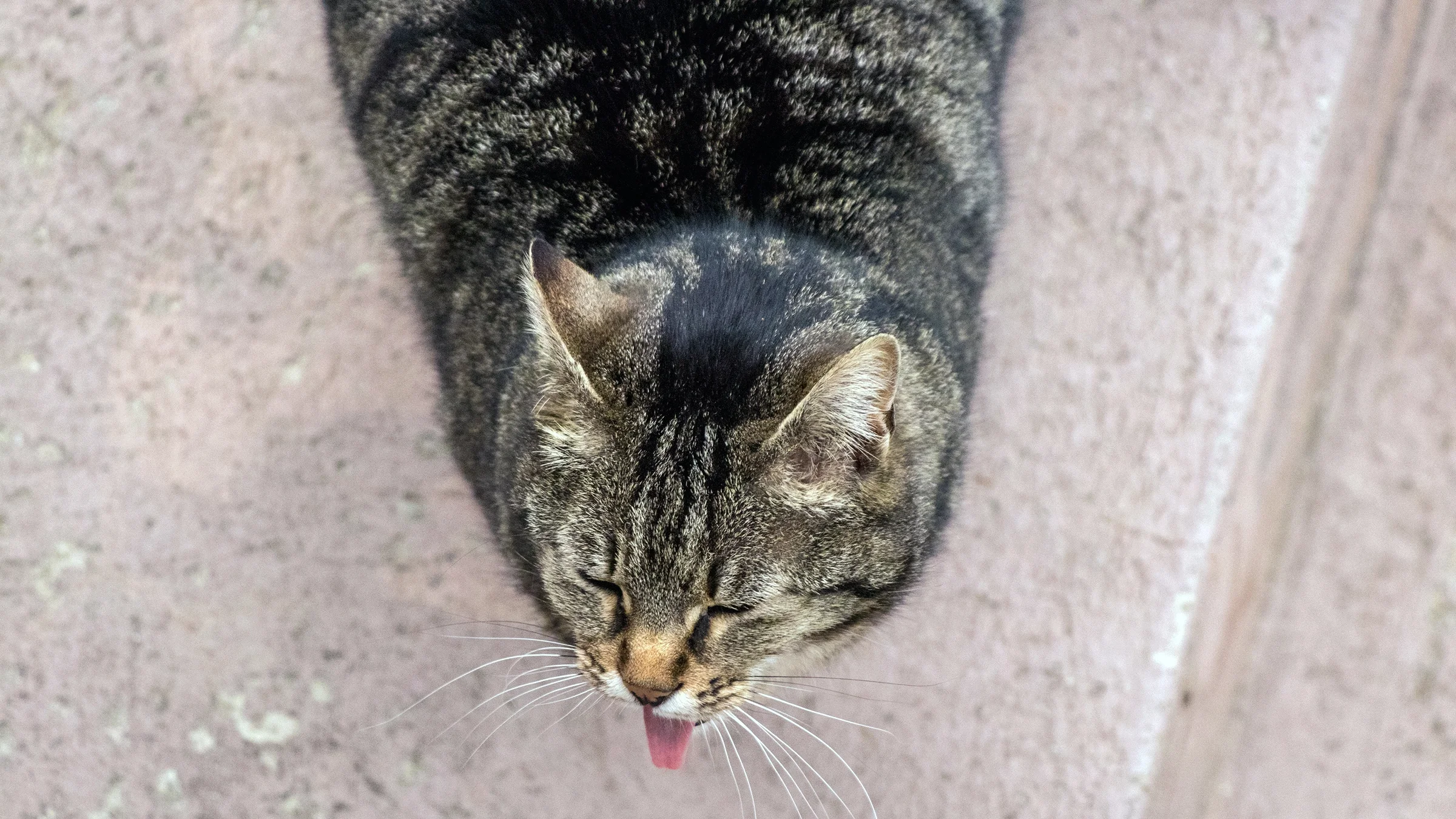
Cats clean themselves by licking fur. This can cause hairballs. Hairballs build up and cause vomiting when they are hard to pass.
| Hairball Cause | Details |
|---|---|
| Excessive Grooming | Long-haired cats swallow more fur. |
| Dry Fur | Leads to more fur shedding and ingestion. |
| Poor Grooming Tools | Without proper brushing, fur builds up. |
Health Problems
Various illnesses cause vomiting in cats. These include infections, organ problems, and parasites. Early vet visits help catch these issues.
- Gastrointestinal infections
- Kidney or liver disease
- Pancreatitis
- Parasites like worms
- Food poisoning or toxins
Environmental Factors
Stress and changes in a cat’s environment can cause vomiting. New pets, loud noises, or moving to a new home may upset cats.
- Stress from new pets or people
- Loud noises or disruptions
- Exposure to plants or chemicals
- Eating something outside the home

Credit: www.yahoo.com
Choosing The Right Food
Picking the right food can help prevent your cat from vomiting. The food you choose affects their digestion and health.
Understanding what to feed your cat is important. Good food supports a happy, healthy pet.
High-quality Ingredients
High-quality ingredients make a big difference for your cat’s stomach. Choose food with real meat and few fillers.
Avoid foods with too many artificial additives. Natural ingredients help reduce vomiting.
- Look for named meat sources like chicken or fish
- Avoid by-products and unnamed meat meal
- Choose foods with added vitamins and minerals
Avoiding Allergens
Food allergens can upset your cat’s stomach and cause vomiting. Watch for common allergen ingredients.
Try to find hypoallergenic food if your cat has food sensitivities or allergies.
- Common allergens include wheat, corn, and soy
- Some cats react to dairy or eggs
- Grain-free options may help sensitive cats
Wet Vs Dry Food
Wet and dry foods have different effects on cat digestion. Wet food has more moisture, which can help digestion.
Dry food is easier to store but may cause dehydration if your cat drinks less water.
- Wet food reduces the risk of dehydration
- Dry food can help keep teeth clean
- Mixing both types may balance benefits
Feeding Schedule Tips
How and when you feed your cat can prevent vomiting. Avoid feeding too much at once.
Smaller, frequent meals are easier on your cat’s stomach than one large meal.
- Feed your cat 2 to 3 small meals daily
- Keep feeding times consistent every day
- Do not feed right before play or exercise
Managing Hairballs Effectively
Hairballs are a common issue for cats, especially those that groom themselves often. Managing hairballs helps keep your cat comfortable and reduces vomiting.
Understanding how to prevent hairballs is key to your cat’s health. Use simple methods to reduce hair ingestion and improve digestion.
Regular Grooming Techniques
Brushing your cat regularly removes loose fur before your cat swallows it. This helps cut down on hairballs. Use a brush that suits your cat’s fur type and be gentle.
- Brush short-haired cats twice a week
- Brush long-haired cats daily
- Check for mats and tangles
- Keep grooming sessions calm and positive
Hairball Control Products
Special products can help move hair through the digestive system. Hairball gels and treats contain ingredients that ease hair passage and reduce discomfort.
| Product Type | How It Helps | Usage Tips |
| Hairball Gel | Lubricates digestive tract | Apply daily or as directed |
| Hairball Treats | Contains fiber and oils | Offer as snack or reward |
| Special Food | Formulated to reduce hairballs | Feed as main diet |
Dietary Additions For Hairballs
Adding fiber to your cat’s diet helps hair move through the intestines. Some natural foods and supplements support healthy digestion.
Try these dietary options:
- Cooked pumpkin (small amounts)
- Fiber supplements approved by your vet
- Omega-3 fatty acids from fish oil
- Plenty of fresh water to stay hydrated
Credit: www.goodrx.com
Creating A Stress-free Environment
Stress can cause cats to vomit more often. A calm home helps your cat feel safe. You can make simple changes to reduce stress.
Focus on giving your cat spaces to relax. Avoid sudden changes. Play with your cat to keep it happy and active.
Safe Spaces For Cats
Provide your cat with quiet, cozy spots to rest. Cats like hiding places where they feel secure. Use soft beds or blankets in low-traffic rooms.
High perches or cat trees give cats a sense of control. They can watch without feeling threatened. This lowers anxiety and helps prevent vomiting caused by stress.
Reducing Sudden Changes
Keep your cat’s routine steady. Sudden changes can upset cats and cause stress vomiting. This includes changes in feeding times, moving furniture, or loud noises.
- Keep feeding and playtime on a regular schedule.
- Introduce new people or pets slowly.
- Change the environment gradually, not all at once.
- Use calming scents or sprays if needed.
Interactive Play And Enrichment
Engage your cat with toys and games. Play reduces boredom and stress. It also improves digestion and reduces vomiting.
| Type of Play | Benefits |
|---|---|
| Chasing toys | Improves exercise and focus |
| Puzzle feeders | Stimulates the mind and slows eating |
| Interactive play with owner | Builds trust and reduces anxiety |
When To See A Vet
Cat vomiting can happen sometimes and may not be serious. But some times, it shows a bigger problem.
Knowing when to see a vet can help keep your cat healthy and safe.
Persistent Vomiting Signs
If your cat vomits many times in one day, it is a warning sign. Vomiting that lasts more than 24 hours needs care.
Look for vomiting that happens with no breaks or gets worse over time.
- More than two vomiting episodes in 24 hours
- Vomiting that does not stop after a day
- Vomiting with food, water, or bile
Other Warning Symptoms
Vomiting with other problems can show serious illness. Watch for signs that need a vet right away.
- Weakness or tiredness
- Loss of appetite
- Weight loss
- Diarrhea
- Blood in vomit or stool
- Difficulty breathing
- Swollen belly
If you see these signs, take your cat to the vet fast. These may need urgent care.
Diagnostic Tests And Treatments
The vet will check your cat and ask about vomiting. Tests help find the cause.
Common tests include blood work, X-rays, and stool checks. These find infections, blockages, or other problems.
- Blood tests to check organs and infections
- X-rays to look for blockages or injuries
- Ultrasound for detailed images
- Stool tests for parasites or bacteria
- Endoscopy to see inside the stomach
Treatment depends on the cause. The vet may give fluids, medicines, or surgery if needed.

Credit: www.amazon.com
Home Remedies And Preventive Care
Cats sometimes vomit due to various reasons. Understanding preventive care helps reduce such incidents. Here, we explore simple home remedies to help your feline friend.
These strategies focus on hydration, supplements, and monitoring eating habits. Following these tips can improve your cat’s health and comfort.
Hydration Tips
Keeping your cat well-hydrated is crucial. It aids digestion and prevents vomiting. Ensure fresh water is always available for your cat.
Consider using a cat fountain as cats prefer running water. This encourages them to drink more.
Probiotics And Supplements
Probiotics help maintain a healthy gut for your cat. They balance gut bacteria and improve digestion.
- Consult your vet for suitable probiotics.
- Add supplements gradually to their diet.
- Monitor for any adverse reactions.
Monitoring Eating Habits
Watch how and what your cat eats. Fast eating can lead to vomiting. Slow them down with a puzzle feeder.
| Eating Habit | Tip |
| Fast Eating | Use a puzzle feeder |
| Overeating | Portion control |
| Finicky Eating | Try different textures |
Frequently Asked Questions
Why Is My Cat Vomiting Frequently?
Frequent vomiting in cats can indicate dietary issues or health problems. Common causes include hairballs, food allergies, or infections. Consult a vet if vomiting persists more than twice a week or includes blood or lethargy. Early diagnosis helps prevent serious complications.
How Can Diet Prevent Cat Vomiting?
Feeding your cat high-quality, easily digestible food reduces vomiting. Avoid sudden diet changes and limit treats. Regular feeding schedules prevent overeating, which often causes vomiting. Specialized diets for sensitive stomachs can also help. Always provide fresh water to support digestion.
Can Hairballs Cause Cat Vomiting?
Yes, hairballs frequently cause vomiting in cats. Regular grooming reduces loose fur ingestion. Specialized diets and hairball remedies can help manage this issue. If vomiting persists despite these measures, consult a veterinarian to rule out other causes.
When Should I See A Vet For Cat Vomiting?
Visit a vet if vomiting lasts more than 24 hours or occurs with diarrhea, lethargy, or weight loss. Immediate care is needed if vomit contains blood or your cat shows signs of pain. Early treatment can prevent serious health problems.
Conclusion
Preventing cat vomiting takes attention and care every day. Feed your cat high-quality food and avoid sudden diet changes. Keep your pet hydrated and watch for signs of illness. Regular vet visits help catch problems early. Create a calm and safe space for your cat to relax.
Small steps can make a big difference in your cat’s health. Stay patient and consistent with these habits. Your cat will feel better and stay happier longer. Taking care of your cat shows love and keeps them healthy.

Lily Purrington is the founder of MyKittyPicks.com, a cozy corner of the web dedicated to helping cat lovers discover the best cat products, furniture, toys, and home decor ideas.
A lifelong cat enthusiast, Lily shares trusted tips, honest product recommendations, and stylish inspiration designed to keep kitties happy and homes beautiful.
Her mission is simple: to bring together practical advice and purr-fect picks that make life better for cats and the people who love them.


