
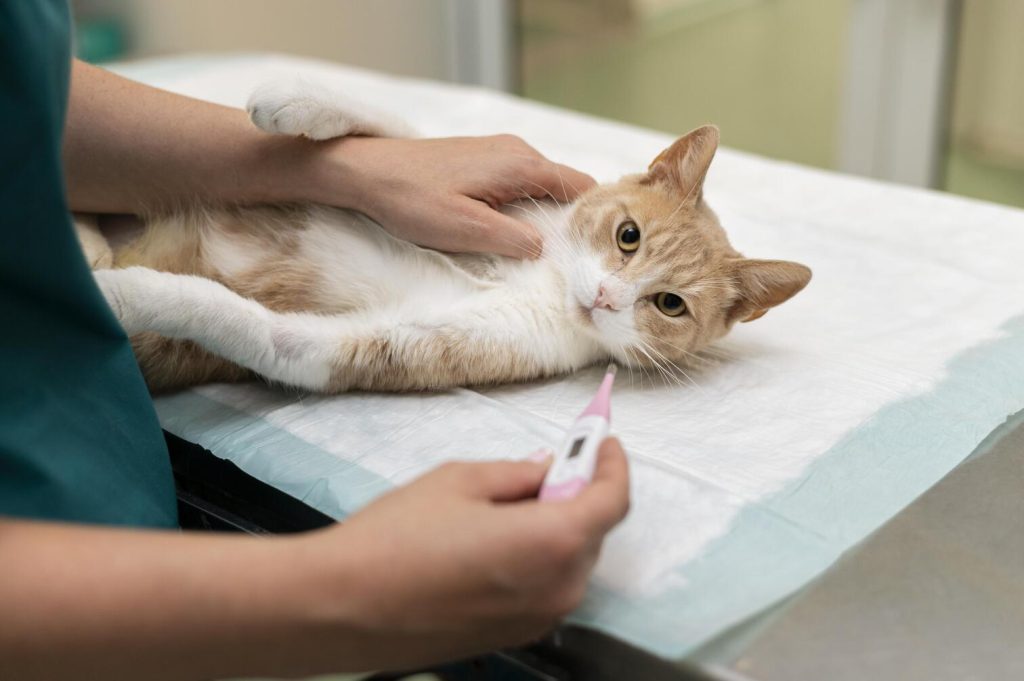
If you love your cat, you want to keep them healthy and happy for as long as possible. One serious health issue that many cats face is renal failure, which can be life-threatening if not caught early.
But here’s the good news: there are simple steps you can take right now to protect your furry friend’s kidneys. You’ll discover easy-to-follow tips that can make a big difference in preventing renal failure. Keep reading to learn how you can give your cat the best chance at a long, healthy life.

Credit: www.reddogbluekat.com
Causes Of Renal Failure In Cats
Renal failure happens when a cat's kidneys stop working well. Kidneys clean the blood and remove waste. If they fail, toxins build up in the body.
Understanding what causes kidney failure helps protect your cat. Some causes are common risks, health problems, or natural factors.
Common Risk Factors
Many things can increase a cat’s chance of kidney failure. Poor diet, dehydration, and exposure to toxins can harm the kidneys.
Other risks include infections and injuries that affect kidney function. Keeping your cat safe from these can lower risks.
- Poor water intake causing dehydration
- Eating toxic plants or chemicals
- Exposure to infections like leptospirosis
- Physical injury to the kidney area
- High blood pressure damaging kidney vessels
Chronic Conditions Leading To Kidney Damage
Long-term health problems can slowly harm a cat’s kidneys. Diseases like high blood pressure and diabetes are common causes.
Chronic urinary tract infections also damage kidney tissue over time. Treating these conditions early can protect kidney health.
- Chronic kidney disease (CKD)
- High blood pressure (hypertension)
- Diabetes mellitus
- Repeated urinary tract infections
- Autoimmune diseases affecting kidneys
Impact Of Age And Genetics
Older cats are more likely to develop kidney failure. Aging causes natural wear and tear on kidney cells.
Some cat breeds inherit genes that raise the risk for kidney problems. Knowing your cat’s history helps with early care.
- Kidney function declines with age
- Breeds like Persian and Siamese have higher risks
- Genetic kidney diseases can start early
- Regular vet checks help catch early signs
Recognizing Early Signs
Renal failure in cats can develop slowly. Early detection helps keep your cat healthier longer. Watching for signs is very important.
Knowing what to look for lets you act fast. This guide covers key changes in behavior and physical health. It also shows when to visit the vet.
Behavioral Changes
Changes in your cat’s behavior are often the first signs of kidney problems. These changes may seem small but can mean serious health issues.
- Less active or more tired than usual
- Hiding or avoiding interaction with people
- Loss of appetite or eating less
- Drinking more water than normal
- More frequent urination or accidents outside the litter box
Physical Symptoms To Watch
Physical signs of kidney trouble often appear as the disease progresses. Watch your cat closely for these symptoms.
| Symptom | What to Look For |
| Weight Loss | Noticeable thinning or loose skin |
| Bad Breath | Foul odor from the mouth |
| Vomiting | Throwing up frequently or after eating |
| Dehydration | Dry gums, sunken eyes |
| Swollen Abdomen | Enlarged belly or fluid build-up |
When To Visit The Vet
See a vet if you notice any signs of kidney issues. Early treatment can slow down damage and improve your cat’s life quality.
- If your cat drinks or urinates much more than usual
- If your cat shows sudden weight loss or vomiting
- When your cat acts very tired or hides often
- If you see bad breath or mouth sores
- Any other unusual changes in behavior or health
Dietary Tips For Kidney Health
Kidney health is very important for cats. Good diet choices can help prevent renal failure.
Feeding your cat the right food supports their kidneys and helps them stay healthy longer.
Choosing The Right Food
Select food that is low in protein and phosphorus. These reduce kidney workload and help protect kidneys.
Wet food is often better than dry food because it contains more moisture. It also usually has less salt.
- Low protein levels to reduce kidney strain
- Low phosphorus to slow kidney damage
- Wet food to increase moisture intake
- Low sodium to prevent high blood pressure
Hydration Importance
Water helps flush toxins from a cat’s kidneys. Cats with kidney issues need plenty of fresh water daily.
Encourage drinking by placing water bowls in several places. Use clean, fresh water and consider a pet fountain.
- Provide multiple water bowls around the home
- Change water daily to keep it fresh
- Use a pet water fountain to encourage drinking
- Include wet food to boost water intake
Supplements And Nutrients
Certain supplements support kidney health. Talk to your vet before adding any to your cat’s diet.
Omega-3 fatty acids reduce inflammation. Antioxidants help protect kidney cells from damage.
- Omega-3 fatty acids to reduce inflammation
- Antioxidants to protect kidney cells
- Vitamin B complex to support metabolism
- Probiotics to improve digestion and health
Lifestyle Habits To Support Kidneys
Caring for your cat’s kidneys helps prevent serious health problems. Good lifestyle habits keep the kidneys working well.
Simple actions at home can support kidney health and reduce the risk of renal failure in cats.
Regular Exercise
Exercise helps maintain your cat’s weight and boosts overall health. Active cats have better blood flow to their kidneys.
- Play with toys daily to encourage movement
- Use climbing structures or cat trees
- Schedule short active sessions several times a day
- Avoid long periods of inactivity
Stress Reduction
Stress can harm your cat’s kidneys. Calm environments help keep their kidneys healthy.
| Stress Cause | How to Reduce It |
| New pets | Introduce slowly and carefully |
| Loud noises | Use quiet spaces for your cat |
| Changes in routine | Keep feeding and playtime consistent |
| Limited hiding spots | Provide cozy places to retreat |
Avoiding Toxins And Harmful Substances
Many common substances can damage cat kidneys. Keep these away to protect your pet.
- Do not give human medicines unless advised by a vet
- Store cleaning products out of reach
- Avoid feeding plants like lilies and azaleas
- Keep antifreeze and pesticides locked up
- Use pet-safe flea and tick treatments
Routine Vet Care And Monitoring
Taking care of your cat’s kidneys is very important. Regular vet visits help catch problems early.
Watching your cat’s health closely helps prevent kidney failure. Routine checks keep your cat safe.
Scheduled Check-ups
Visit the vet regularly to check your cat’s health. These visits find issues before they get worse.
Early signs of kidney problems can be subtle. Vets can spot these signs during scheduled exams.
- Check weight and hydration
- Look for changes in appetite or behavior
- Examine teeth and gums for health clues
- Monitor urine output and color
Kidney Function Tests
Blood and urine tests show how well your cat’s kidneys work. These tests help catch damage early.
Tests include checking waste levels and kidney filtering ability. Regular testing helps track kidney health.
- Blood urea nitrogen (BUN) test
- Creatinine level test
- Urine specific gravity test
- Protein levels in urine
Vaccinations And Preventive Measures
Vaccines protect cats from infections that can harm the kidneys. Keep vaccinations up to date.
Preventing infections helps reduce kidney damage risk. Talk to your vet about the right shots for your cat.
- Vaccinate against feline leukemia virus (FeLV)
- Keep vaccinations for feline infectious peritonitis (FIP)
- Use flea and tick prevention
- Provide clean water and a balanced diet
Credit: www.allivet.com
Managing Chronic Conditions
Renal failure in cats can be managed by controlling chronic conditions. This helps in extending their life and improving their quality of life.
Cats with certain conditions need special care to prevent kidney damage. Managing these conditions is key to preventing renal failure.
Diabetes And Hypertension Control
Diabetes and high blood pressure can stress a cat’s kidneys. Regular vet visits and monitoring are crucial.
Proper diet and medication help control these conditions. This reduces the risk of kidney damage.
- Feed a balanced, low-sugar diet
- Administer prescribed medications on time
- Regularly check blood pressure
Dental Health Connection
Oral health affects a cat's kidney health. Bacteria from dental disease can lead to kidney problems.
Regular dental check-ups can prevent this risk. Keeping teeth clean helps maintain overall health.
- Brush your cat’s teeth regularly
- Provide dental treats and toys
- Schedule professional cleanings
Medications That Protect Kidneys
Some medications can safeguard kidneys. These are especially useful for cats at risk of kidney disease.
Your vet may prescribe drugs that lower blood pressure or reduce protein in the urine. These help in protecting kidney function.
| Medication | Function |
| ACE Inhibitors | Lower blood pressure |
| Angiotensin Receptor Blockers | Reduce proteinuria |

Credit: www.amazon.ca
Frequently Asked Questions
What Are Early Signs Of Renal Failure In Cats?
Early signs include increased thirst, frequent urination, and weight loss. Cats may also show decreased appetite and lethargy. Recognizing these signs helps in seeking prompt veterinary care to prevent progression.
How Can Diet Help Prevent Renal Failure In Cats?
A balanced diet with controlled protein, phosphorus, and sodium supports kidney health. Special renal diets reduce kidney workload and slow disease progression. Always consult your vet before changing your cat’s diet.
Can Hydration Prevent Kidney Failure In Cats?
Yes, proper hydration is crucial. Encourage water intake through fresh water, wet food, or water fountains. Hydration helps kidneys flush toxins and maintain function, reducing the risk of renal failure.
How Often Should Cats Have Kidney Health Check-ups?
Regular vet check-ups every 6 to 12 months are essential. Early detection through blood and urine tests can prevent or delay renal failure. Older cats need more frequent monitoring for kidney health.
Conclusion
Caring for your cat’s kidneys starts with good habits. Feed a balanced diet and provide fresh water daily. Regular vet visits catch problems early. Watch for changes in behavior or appetite. Keep your cat active and stress-free. Small steps make a big difference in kidney health.
Protect your cat’s life by acting now. Healthy kidneys mean a happy cat. Don’t wait until problems appear. Prevention is the best care you can give.

Lily Purrington is the founder of MyKittyPicks.com, a cozy corner of the web dedicated to helping cat lovers discover the best cat products, furniture, toys, and home decor ideas.
A lifelong cat enthusiast, Lily shares trusted tips, honest product recommendations, and stylish inspiration designed to keep kitties happy and homes beautiful.
Her mission is simple: to bring together practical advice and purr-fect picks that make life better for cats and the people who love them.


